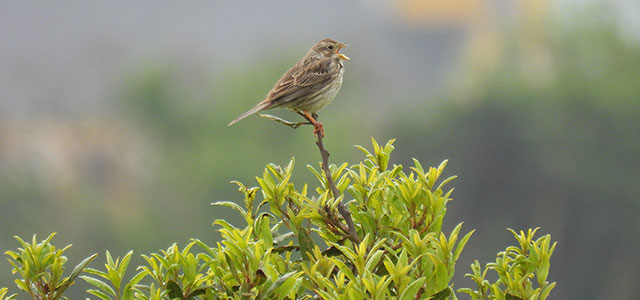
Nestlé and BirdLife Europe announced a three-and-a-half-year collaboration to measure the impact of selected regenerative agriculture practices on biodiversity across European agricultural landscapes and supply chains. The research will assess whether these practices measurably benefit the wildlife that depends on farmland and will help identify where farming approaches can be strengthened.
The question matters because Europe's fields have grown quieter. According to the Pan-European Common Bird Monitoring Scheme, European farmland bird populations declined by 58% between 1980 and 2024. Agricultural intensification is the main factor associated with this decline. For Nestlé, regenerative agriculture is a means to support resilient food systems by aiming to conserve and restore soil, water and biodiversity, capture carbon and support farmers' livelihoods.
"We want to back farmers with the science, the tools and the long-term commitment to help them farm in ways that aim to support nature and their businesses. This is about learning honestly what works. Birds are one of the most trusted signals nature can give us. Together with BirdLife, we are measuring selected bird populations in participating European farming areas to help assess changes in on-farm biodiversity", said Anita Wälz, Head of Sustainability and Corporate Communications, Nestlé Zone Europe. |